

If you’re dealing with bats invading your property bat pest control, you need a reliable strategy that balances effectiveness with safety. Choosing the right repellent depends on your specific environment and the species you’re facing. From ultrasonic devices to natural oils and physical barriers, each option has its place. But which solutions truly work without risking harm to your family or pets? Understanding these details will help you make an informed, practical choice.
Why You Need a Bat Repellent: Understanding the Problem
Although bats play a vital role in ecosystems, you need a bat repellent because they can pose serious health risks and cause property damage when they roost in or near your home.
Bats often carry diseases like rabies and histoplasmosis, putting your family’s health at risk. Their droppings, or guano, can accumulate quickly https://igreenasia.com/, leading to unpleasant odors and structural damage.
You don’t want bats nesting in your attic or walls, as their presence can compromise insulation and wiring, increasing fire hazards. Taking proactive steps to repel bats protects your property and peace of mind, giving you the freedom to enjoy your space without worry.
Understanding these risks is essential to maintaining a safe, clean environment that supports your lifestyle.
Choosing the Right Bat Repellent for Your Space
Protecting your home from bats requires more than just awareness—you need an effective solution tailored to your specific situation.
First, assess the size and type of the area where bats are present. For small indoor spaces, ultrasonic repellents can work well, while larger outdoor zones may benefit from visual deterrents like lights or reflective materials.
Consider the bat species common to your region, as some repellents target specific behaviors.
You’ll also want to factor in safety—ensure the repellent is non-toxic if pets or children are around.
Finally, choose a repellent that matches your lifestyle; if you want low-maintenance options, automated devices might suit you best.
Installing and Maintaining Bat Repellents Successfully
When you install bat repellents correctly, you maximize their effectiveness and ensure long-term protection. Begin by identifying bat entry points and high-activity areas. Position repellents where bats frequent, avoiding obstructions that block coverage. Follow manufacturer instructions closely for placement height and spacing. Secure devices firmly to withstand weather and movement.
Maintain repellents regularly—check for damage, dirt, or displacement every few weeks. Clean sensors and surfaces to maintain functionality, especially for electronic units. Replace chemical or consumable components as recommended to keep potency. Monitor bat activity and adjust repellent locations if needed.

Top Natural, Electronic, and Chemical Bat Repellent Options
Proper installation and upkeep of bat repellents set the stage for effective control, but choosing the right type of repellent is equally important. You want solutions that suit your environment and respect your freedom from unwanted pests.
Here are top options to consider:
- Natural repellents: Essential oils like peppermint and eucalyptus offer safe, scent-based deterrence.
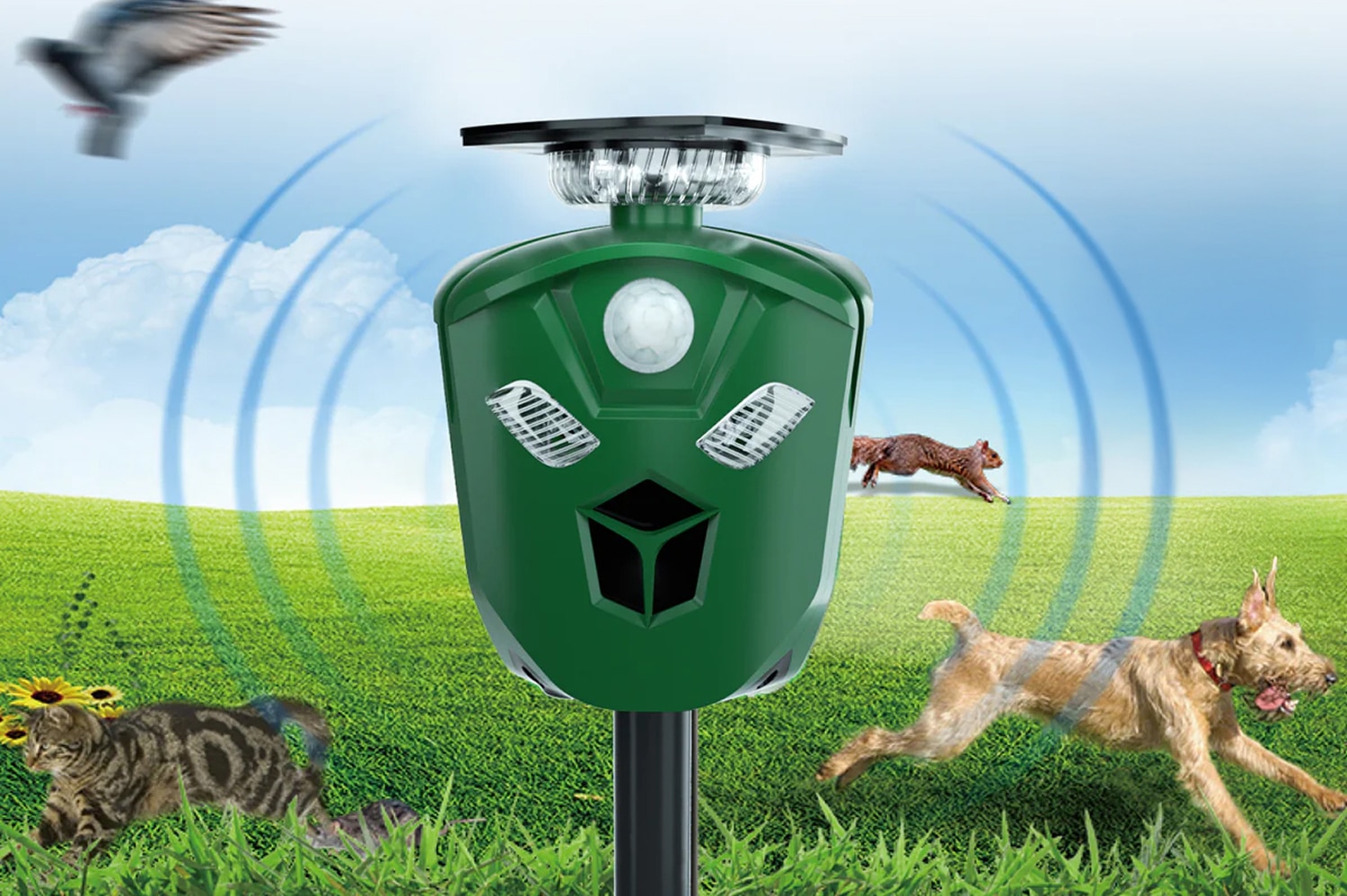
- Ultrasonic electronic devices: These emit high-frequency sounds bats find unpleasant without disturbing humans.
- Visual deterrents: Reflective surfaces or predator decoys can discourage bats from roosting.
- Physical barriers: Mesh screens and sealants prevent entry points effectively.
Chemical Bat Repellents: Safe Choices and What to Avoid
Although chemical bat repellents can be highly effective, you need to choose products that are both safe for your household and compliant with environmental regulations.
Opt for repellents containing natural active ingredients like naphthalene alternatives or essential oils proven to deter bats without toxic effects. Avoid products with harsh chemicals such as para-dichlorobenzene or pesticides that pose risks to pets, children, and beneficial wildlife.
Always check labels for EPA approval and follow application guidelines carefully to prevent contamination. Using chemicals responsibly ensures you protect your home without compromising your freedom to enjoy a safe, healthy environment.
Conclusion
Now that you understand the types and benefits of bat repellents, you can confidently protect your home and health. Choose solutions suited to your space—ultrasonic for indoors, visual or barriers outdoors—and always opt for non-toxic, EPA-approved or natural options. Follow installation and maintenance tips closely to ensure lasting results. By taking these practical steps, you’ll keep bats away safely and effectively, safeguarding your property without harming your family or pets.